
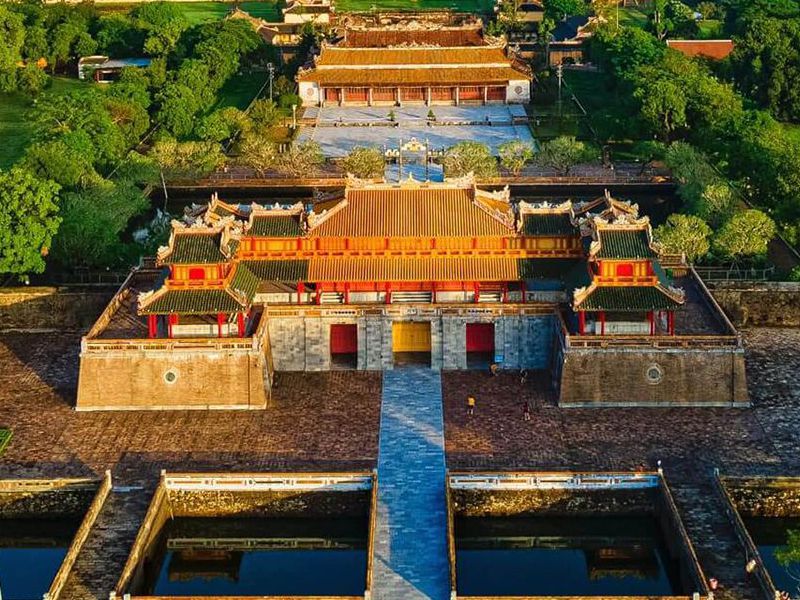
Hue is often remembered as Vietnam’s quiet imperial capital, home to the Imperial City, ancient royal tombs, pagodas and the gentle flow of the Perfume River. Yet beyond its celebrated heritage lies another side of Hue – greener, wilder and alive with the calls of countless birds.
Just a short drive from the city, Bach Ma National Park opens the door to a remarkable natural world. Stretching across the Truong Son Range, its pristine forests, mist-covered mountains and diverse ecosystems make Bach Ma an appealing destination for nature lovers, particularly birdwatchers looking to discover Vietnam beyond its cultural landmarks.
Bach Ma – Where Rare Birds Find Refuge
Bach Ma National Park is regarded as one of central Vietnam’s most important areas of biodiversity. Its landscapes range from lowland tropical forests to cool, misty montane ecosystems, creating a variety of habitats for an impressive array of wildlife.
More than 360 bird species have been recorded in Bach Ma, making the park one of the notable birdwatching destinations in central Vietnam and Southeast Asia.
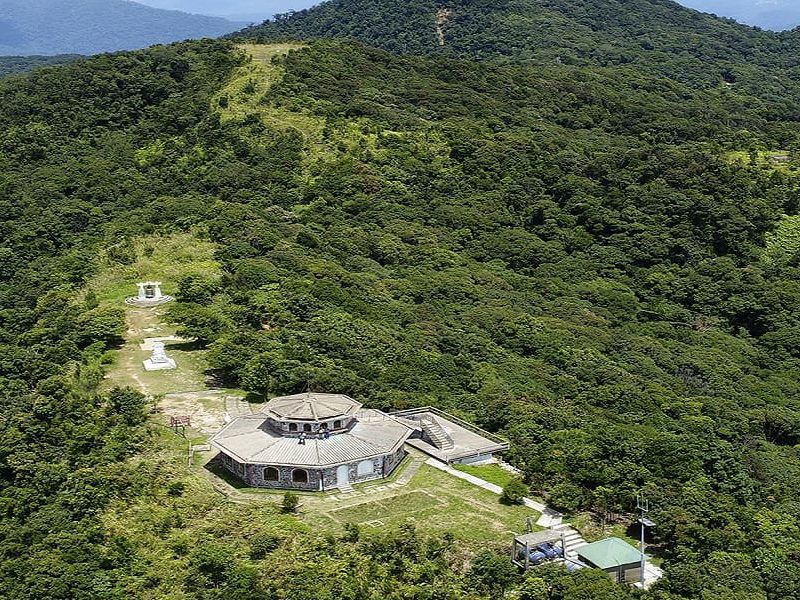
Vietnam itself is home to more than 900 bird species, including a number of rare and endemic species. For birdwatchers, a journey to Bach Ma is therefore more than a simple nature excursion. It is an opportunity to search for remarkable species while experiencing one of the country’s richest natural environments.
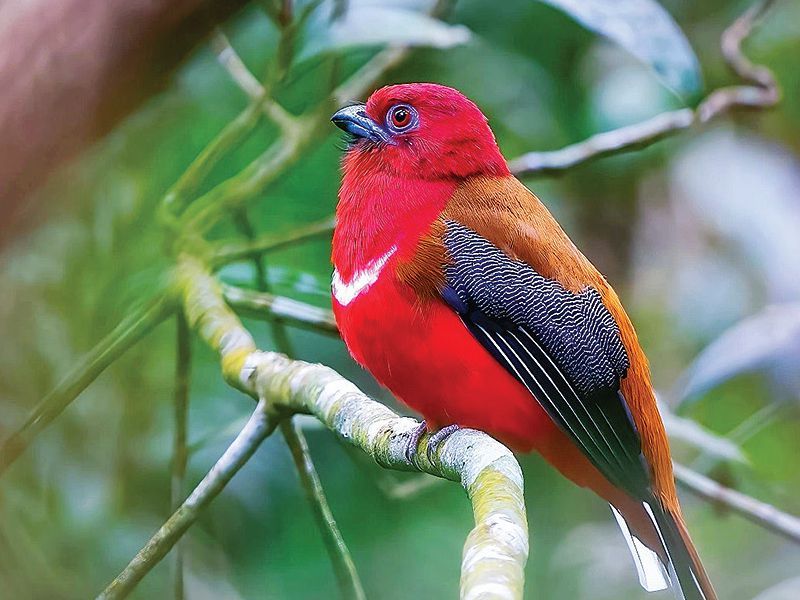
Among the birds that may be encountered are the elegant Greater Racket-tailed Drongo, the vivid Crimson Sunbird, Silver Pheasant, Red-headed Trogon and several striking broadbill species.
Of particular conservation significance are the Edwards’s Pheasant, classified as Critically Endangered, and the Vietnamese Crested Argus, a near-endemic species of the region.
Their presence highlights not only the appeal of Bach Ma for birdwatchers but also the extraordinary ecological value of its forests and the importance of protecting these habitats.
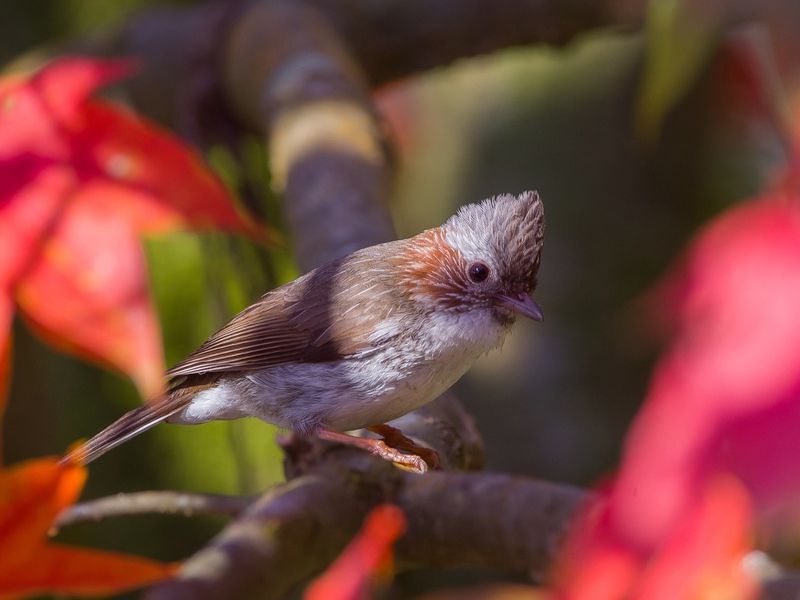
When the Forest Awakens
To experience Bach Ma at its most atmospheric, early morning is hard to beat.
As mist lingers among the treetops and the first rays of sunlight filter through the canopy, the forest begins to awaken. Birdsong rises from the trees – sometimes close, sometimes distant – creating a natural symphony that cannot be replicated anywhere in the city.
For birdwatchers, these quiet hours can bring some of the most rewarding encounters. A sudden movement on a branch, a flash of colour through the foliage or an unfamiliar call may lead to the discovery of a species that has been patiently sought after.
But visitors do not have to be expert birders to appreciate the experience. With a pair of binoculars, a camera and a little patience, anyone can slow down and discover the subtle rhythms of the forest.
Walking quietly through the trees, listening carefully and watching the canopy gradually reveal its inhabitants can become an experience in itself.
Two Worlds in One Journey
One of Hue’s greatest attractions is the ease with which cultural exploration can be combined with a journey into nature.
A morning might begin with a visit to the Imperial City, a historic royal tomb or one of the region’s ancient pagodas. By afternoon, travellers can leave the urban landscape behind and head towards the forests of Bach Ma.
Within a single journey, the character of Hue can shift from the quiet grandeur of imperial heritage to the raw beauty and energy of the natural world.
The nearby coastal area of Lang Co offers another way to extend the experience. With its beaches, mountain scenery and seaside resorts, Lang Co allows visitors to combine birdwatching and nature exploration with a relaxing coastal stay.
For photographers and dedicated birdwatchers, staying close to nature also creates more opportunities to observe local species. Even a resort garden or private terrace can become an unexpected vantage point for watching birds in their natural surroundings.
Discovering a Greener Side of Hue
The way people travel is changing. Increasingly, travellers are looking beyond famous landmarks in search of experiences that bring them closer to nature, local ecosystems and the character of a destination.
Birdwatching fits naturally into this movement. It is not simply about counting species or adding another name to a checklist. It encourages travellers to understand habitats, appreciate biodiversity and recognise the importance of conservation.
Bach Ma offers all of these experiences in one remarkable setting. A visit can be both an adventure and a moment of escape – a chance to explore the forest while gaining a deeper appreciation of central Vietnam’s natural heritage.
The period from December to May is generally considered a favourable time to explore Bach Ma, when conditions are suitable for trekking and observing wildlife.
Let the Forest Tell Its Story
Hue may be best known for its palaces, royal tombs and centuries-old cultural heritage. But beyond these familiar symbols lies another Hue – a landscape of deep green forests, winding mountain roads and birdsong.
In Bach Ma, every call may reveal a bird hidden among the leaves. Every fleeting glimpse of a wing can offer another glimpse into a much larger natural world.
Perhaps the most memorable part of the journey is not how many species you manage to see, but how the experience encourages you to slow down, listen and reconnect with nature.
Coming to Hue, then, is not simply a journey into Vietnam’s imperial past. It is also an invitation into the green heart of the mountains, where Bach Ma’s forests tell their stories through birdsong.