
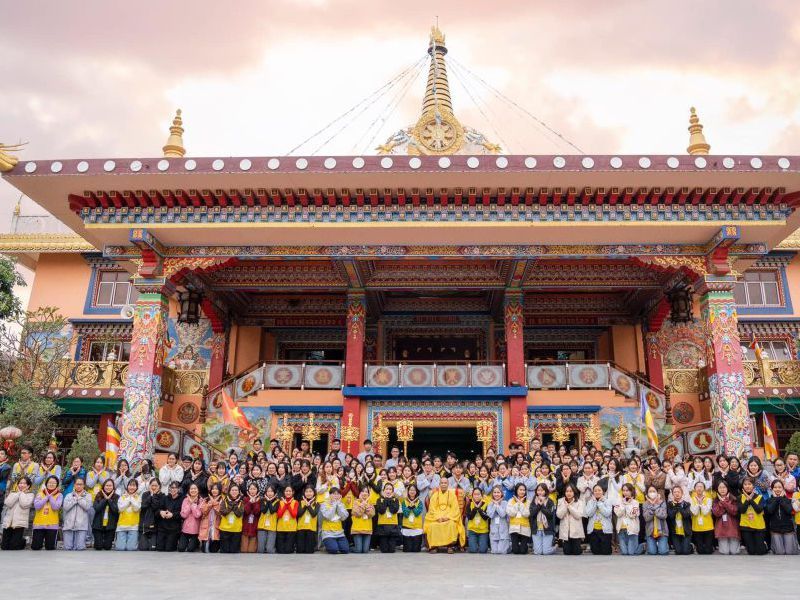
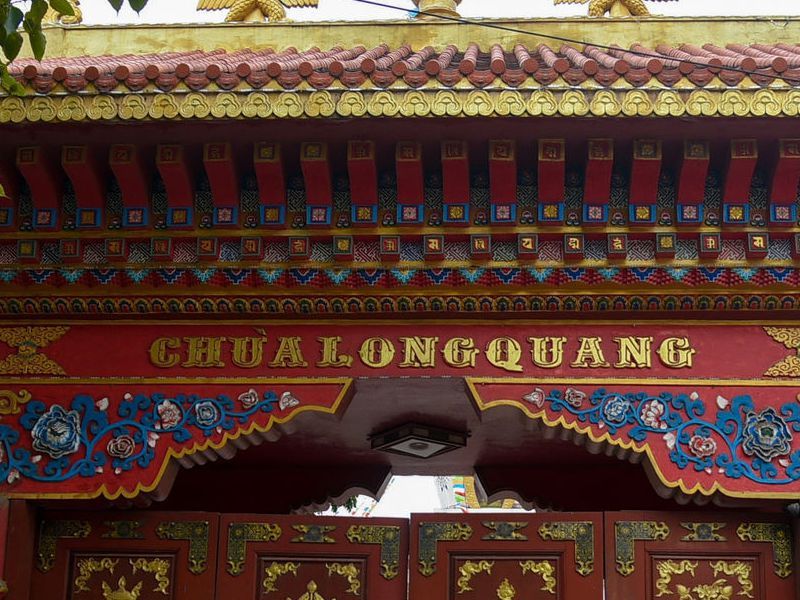
Amid the vibrant pace of Hanoi, there are still peaceful places where visitors can slow down, reflect, and discover the city’s rich spiritual and cultural heritage. Long Quang Pagoda, also known locally as Vuc Pagoda, is one of these special places, located in Thanh Liet, Thanh Tri, Hanoi.
More than simply a place of worship, Long Quang Pagoda is notable for its distinctive Vajrayana Buddhist architecture, making it quite different from many traditional pagodas in northern Vietnam.
A Pagoda with a Long History
Long Quang Pagoda has a long history and has experienced many changes and restorations over the years. The pagoda was severely damaged during the war in 1947, when much of the original structure was destroyed.
For many years, the site remained largely unused. However, local residents and Buddhist followers continued to preserve the spiritual connection to the site and gradually worked to restore the place of worship on its original grounds.
The restoration of Long Quang Pagoda is not only about rebuilding a religious structure, but also about preserving a place that has been closely connected with the local community for generations.
 |  |
Distinctive Vajrayana Architecture
One of the first things visitors notice when arriving at Long Quang Pagoda is its unique appearance.
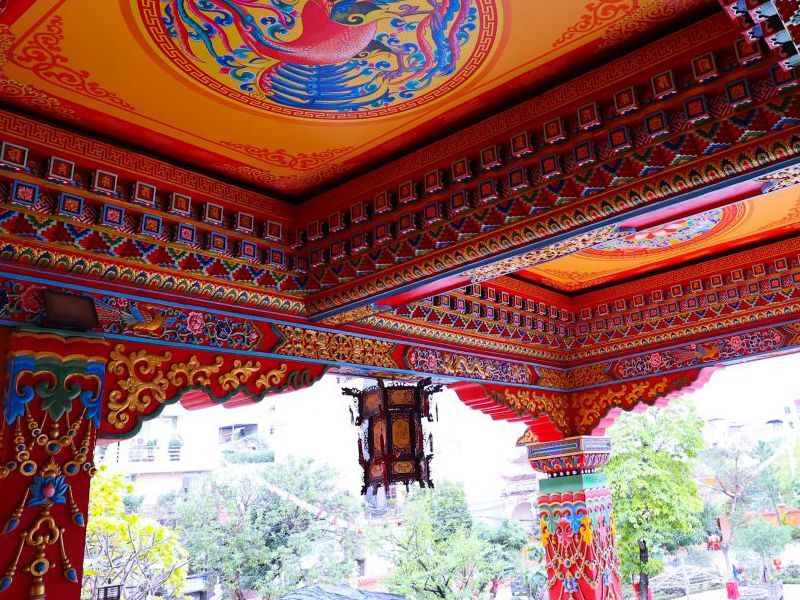
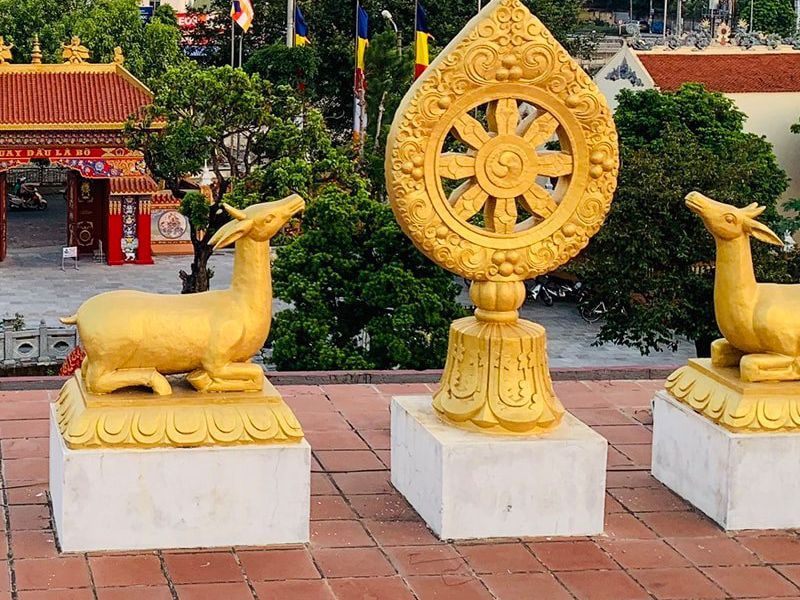
Unlike many traditional pagodas in northern Vietnam, which often feature wooden structures, curved tiled roofs, and more subdued colors, Long Quang Pagoda stands out with bright red, yellow, blue, and white tones, together with intricate Buddhist motifs.
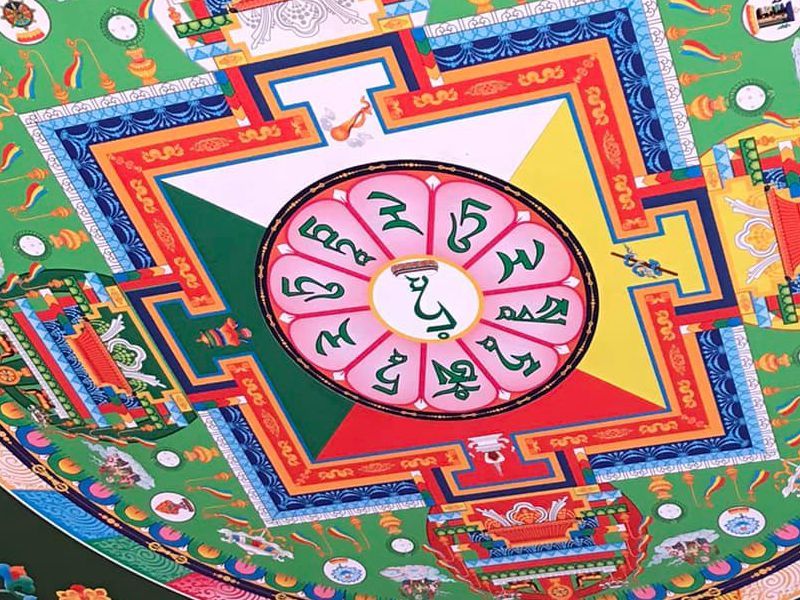
The pagoda features various symbols associated with Vajrayana Buddhism. Among the most striking are mandalas, which are geometric and symmetrical designs traditionally associated with meditation, spiritual practice, and representations of the universe.
These colorful details give Long Quang Pagoda a distinctive atmosphere and make it an interesting place for anyone interested in Buddhist art and architecture.
Colorful Lungta Prayer Flags
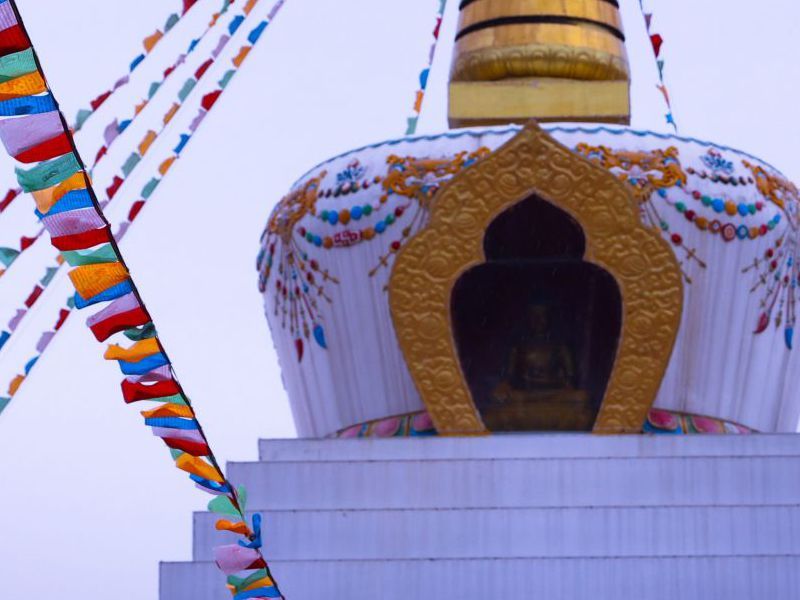
Another fascinating feature of the pagoda is the presence of Lungta prayer flags, traditionally associated with Tibetan Buddhism.
The colorful flags are displayed throughout the pagoda grounds and add a vibrant yet peaceful character to the surroundings. In Tibetan Buddhist tradition, Lungta, often translated as “wind horse,” is associated with prayers, blessings, compassion, wisdom, and peace.
Together with the mandalas, Buddhist images, and colorful decorations, the prayer flags create an atmosphere reminiscent of Buddhist traditions from the Himalayan region, including Tibet, Nepal, and Bhutan.
A Peaceful Spiritual Space
For many visitors, Long Quang Pagoda is more than an architectural attraction. It is also a place to pray, practice Buddhism, find peace, and take a break from the busy rhythm of everyday life.
The quiet surroundings, Buddhist imagery, colorful prayer flags, and peaceful atmosphere create a space where visitors can slow down and enjoy a moment of tranquility.
In a rapidly developing city like Hanoi, places such as Long Quang Pagoda offer a valuable opportunity to reconnect with culture, spirituality, and a slower pace of life.
 |  |
A Unique Cultural Corner of Hanoi
Long Quang Pagoda is a fascinating example of the diversity of Buddhist culture in Vietnam. Its Vajrayana-inspired architecture reflects cultural exchanges between Vietnam and other Buddhist traditions across Asia.
For visitors exploring Hanoi, the pagoda offers a different perspective on the capital. Hanoi is not only about the Old Quarter, historic monuments, lakes, and bustling streets; it is also home to quiet spiritual spaces filled with history, symbolism, and cultural diversity.
🙏 Long Quang Pagoda – a peaceful corner of Hanoi, a unique architectural destination, and a beautiful reflection of the city’s diverse spiritual heritage.