

Nestled among the coastal hills of Sa Huynh in Quang Ngai Province, Go Co Ancient Village is emerging as a distinctive destination where centuries-old traditions, natural landscapes and community-based tourism come together.
Far from the hustle and bustle of urban life, Go Co retains the peaceful charm of a traditional coastal fishing village. Simple thatched-roof houses, earthen walls and narrow pathways reflect a way of life deeply connected to nature and local traditions.
The village is also home to a remarkable cultural heritage dating back approximately 2,500 to 3,000 years. Its history encompasses the Sa Huynh culture, the Champa Kingdom and later settlements associated with Dai Viet. Today, fishing, farming and salt making remain important parts of daily life, with many traditional practices passed down through generations.
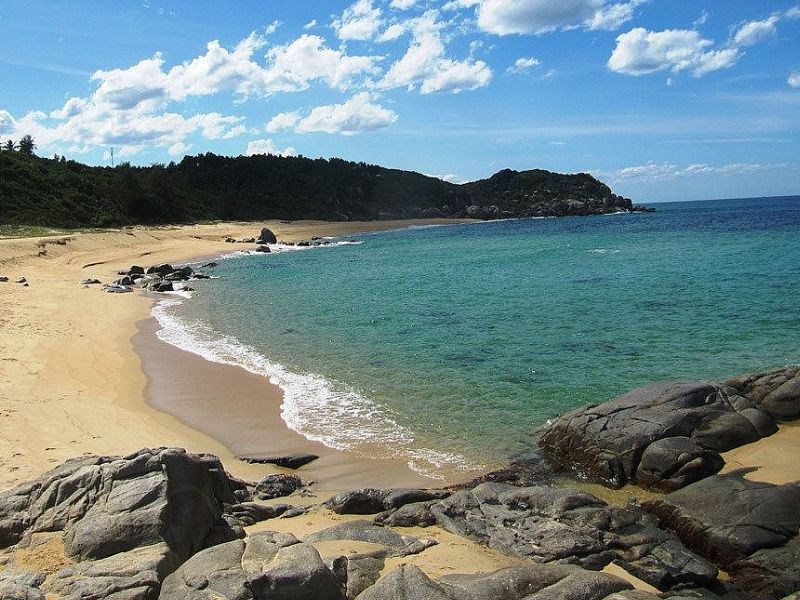
Along the sandy shoreline, local residents can still be seen weaving fishing nets and preparing for their next trip to sea.
Tourism Driven by the Local Community
The establishment of the Go Co Community Tourism Cooperative has created new opportunities for local residents while helping them maintain their connection to traditional livelihoods.
Fishermen, farmers and salt makers have taken on new roles as homestay hosts, local guides and performers of bài chòi, a traditional Vietnamese folk art that combines music, singing, storytelling and games.
Instead of relying primarily on conventional restaurants, the village encourages visitors to share meals with local families. Homemade dishes are prepared using fresh, locally available ingredients such as seafood, vegetables and cassava.
This approach allows travellers to experience not only the flavours of local cuisine but also the warmth and hospitality of everyday life in a Vietnamese coastal village.
Preserving Traditional Homes and Cultural Heritage
Sustainability in Go Co extends beyond tourism. Many local families continue to maintain their homes using traditional techniques, repairing earthen walls and thatched roofs while tending their gardens, hedges and surrounding landscapes.
Some families have also created small private museums to preserve and display cultural artifacts and objects passed down through generations.
For local residents, preserving the village means more than protecting old houses and structures. It is about safeguarding a way of life and maintaining a strong connection with their ancestors and cultural roots.
Although outside investors have shown interest in developing the area, many villagers have chosen to keep their homes and land as part of their family heritage rather than treating them simply as commercial assets.
“Here, people don’t compete with one another. We share so that everyone can benefit,” one local resident said.
A Landscape Shaped by Stone and the Sea
Go Co’s natural landscape is another defining feature of the village. The area is characterised by distinctive stone formations estimated to be around 400 million years old.
Stone can be found throughout the village, forming pathways, fences, terraced fields and ancient wells. Nearly a dozen stone wells are still in use today, continuing to provide fresh water for local residents.
Go Co is also known for its traditional salt-making practices, which are believed to date back to the Sa Huynh and Champa periods.
Unlike large-scale industrial production, salt making in Go Co remains a small-scale traditional craft. For local residents, salt is more than an agricultural product or source of income. It is regarded as part of the village’s cultural heritage and is sometimes presented as a symbolic gift representing hospitality, warmth and community spirit.
Tourism Revenue Shared with Local Households
Community participation lies at the heart of Go Co’s tourism model. According to local authorities, around 90% of tourism revenue is distributed directly to participating households, while the remaining amount is allocated to public services and community management.
The model aims to ensure that local residents benefit directly from tourism while encouraging them to continue protecting the cultural and natural resources that make the village unique.
Authorities also plan to develop Go Co as a model of cooperation involving researchers, government agencies, businesses and local communities.
A Vietnamese Representative in the “Best Tourism Villages” Initiative
Go Co’s efforts to combine heritage preservation with sustainable tourism have also attracted international attention.
In 2025, Go Co represented Vietnam as one of six Vietnamese villages nominated for the “Best Tourism Villages” initiative by UN Tourism.
With its rich cultural heritage, coastal landscape and strong community involvement, Go Co offers visitors more than a peaceful escape from urban life. It provides an opportunity to experience traditional livelihoods, local hospitality and a living cultural heritage.
More importantly, Go Co demonstrates how tourism can support rural communities while encouraging local residents to become active custodians of their cultural heritage and natural environment.