
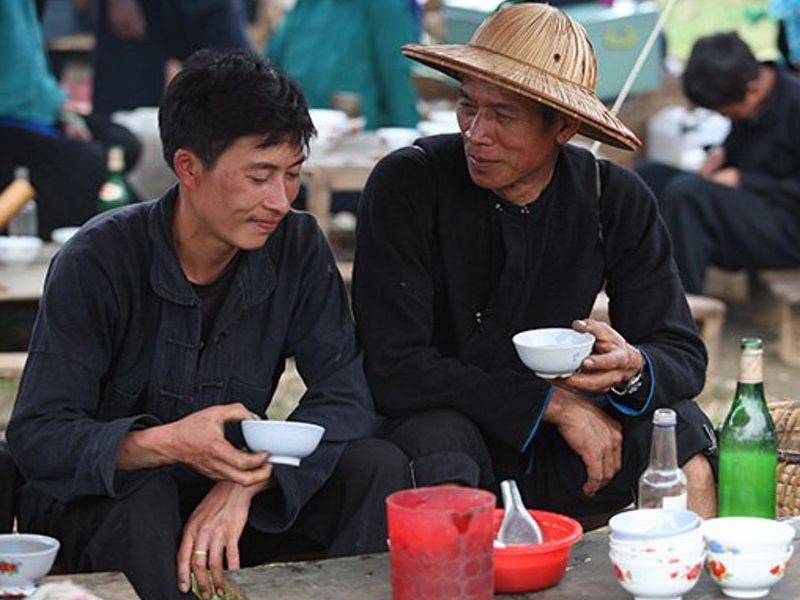
From cornfields growing along rocky mountain slopes to batches of fragrant, freshly distilled liquor, corn wine tells a story of the daily lives and culinary traditions of Vietnam’s highland communities. Made from a familiar local crop, this traditional drink is closely associated with the lives of many ethnic groups in northern Vietnam. Through the skillful hands and knowledge passed down through generations, humble corn kernels are transformed into a distinctive local product, contributing to the region’s rich cultural identity.
Producing corn wine involves several stages that require patience, care, and experience. After harvesting, the corn is dried and the kernels are removed from the cobs before being cooked. Once cooled, the corn is mixed with traditional fermentation starter and left to ferment under suitable conditions. The fermented mixture is then distilled to produce the finished liquor. Every stage influences the quality and flavor of the wine, from selecting the corn and preparing the starter to determining the fermentation period and distillation technique. These traditional methods are often preserved within families and passed down through generations, giving each locality its own distinctive approach to corn wine production.
The appeal of corn wine lies in its characteristic fermented-corn aroma and warming, robust flavor. Depending on the variety of corn, water source, fermentation starter, and production method, the final product can vary from one region to another. Some communities combine traditional distillation techniques with locally sourced ingredients, making their corn wine a distinctive part of regional culinary culture. Corn wine from the highlands of Ha Giang, now part of Tuyen Quang Province, is particularly well known for its connection to the daily lives of the Hmong people. In areas characterized by rocky terrain and challenging farming conditions, corn has long played an important role in local livelihoods and food traditions.
Beyond everyday consumption, corn wine is also associated with family gatherings and community celebrations. During festivals, Lunar New Year celebrations, weddings, and occasions when welcoming special guests, it may be served as a gesture of hospitality and goodwill. Around the traditional family table, people share stories about farming, family, and daily life in a warm and friendly atmosphere. Although the customs and meanings associated with corn wine vary among ethnic groups and local communities, it remains a notable element of the cultural life of many highland regions.
Today, corn wine is recognized not only as a traditional drink but also as an attraction for visitors exploring the mountainous regions of northern Vietnam. At local highland markets and community-based tourism destinations, visitors can learn about the ingredients, production process, and role of traditional distilling in local life. These experiences offer a deeper understanding of how communities make use of locally available crops, adapt to their natural surroundings, and preserve traditional production techniques. At the same time, developing local specialty products can help create livelihoods for residents and promote regional culture when combined with efforts to protect local heritage.
From corn grown on mountain slopes to the fermentation and distillation processes that require considerable experience, corn wine reflects the creativity and adaptability of highland communities. Its value lies not only in its flavor but also in its connection to agriculture, traditional customs, and knowledge passed down through generations. As cultural tourism continues to develop, preserving traditional corn wine production can help safeguard the distinctive culinary heritage of Vietnam’s highlands while introducing more visitors to the stories, lifestyles, and cultural traditions of local communities. As an alcoholic beverage, corn wine should be consumed responsibly, and anyone who drinks should never drive afterward.