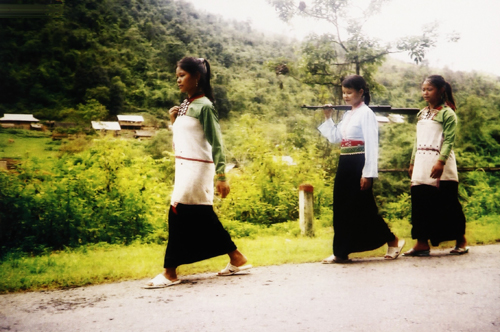
The Mảng are one of Vietnam’s officially recognized ethnic groups, living mainly in Lai Châu Province in the northwestern region. A small Mảng community also lives in Yunnan, China. Although their population is relatively small, the Mảng have maintained distinctive cultural and linguistic characteristics that contribute to Vietnam’s rich ethnic diversity.
Having lived for generations in mountainous areas, the Mảng have developed a way of life closely connected to their natural surroundings. The forests and mountains have provided important resources while also influencing community life and traditional practices. This close relationship with nature has helped shape the cultural identity of the Mảng within the diverse cultural landscape of northwestern Vietnam.
Language is another important part of Mảng identity. The Mảng language belongs to the Pakanic branch of the Austroasiatic language family and serves as an important link between generations. Through language, aspects of the community’s history, traditions, and everyday life can be preserved and passed down over time.
Modern life has brought greater opportunities for the Mảng to interact with surrounding communities. While these changes have created new opportunities for development, they have also made cultural preservation increasingly important. Maintaining the Mảng language, traditional customs, and knowledge passed down through generations can help strengthen the community’s cultural identity.
With their long history and distinctive linguistic and cultural characteristics, the Mảng form an important part of the cultural landscape of northwestern Vietnam. Preserving their heritage not only supports the continuity of Mảng identity but also contributes to protecting the cultural diversity of Vietnam.