
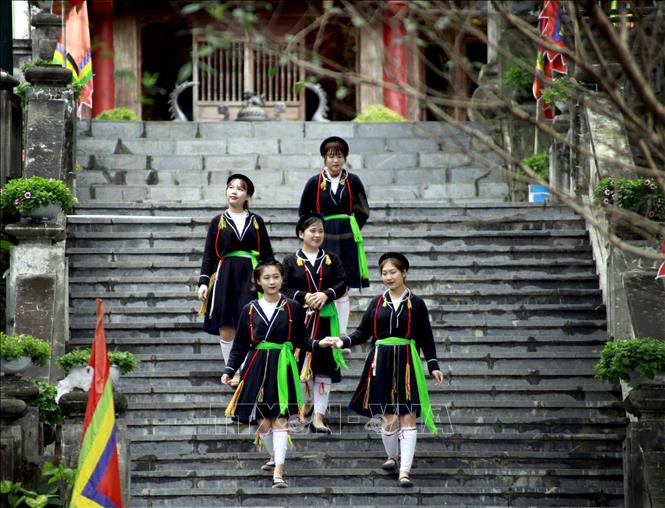
The Sán Dìu are a distinctive ethnic community living mainly in northern Vietnam. Their unique language, traditional beliefs, and close-knit communities reflect a cultural heritage shaped by historical connections with southern China and generations of life in Vietnam.
Although relatively small in population, the Sán Dìu have preserved many traditions that contribute to the rich cultural diversity of northern Vietnam.
Historical Origins
The Sán Dìu are believed to have migrated from Guangdong, China, around the 17th century. After settling in northern Vietnam, they gradually established communities in mountainous and midland areas.
Over generations, their culture developed through a combination of historical traditions and local influences. This created a distinctive identity that connects their Chinese heritage with the cultural environment of northern Vietnam.
Where Do the Sán Dìu Live?
Sán Dìu communities are mainly concentrated around the Tam Đảo mountain range, particularly in Thái Nguyên Province and surrounding areas.
The natural landscape has influenced their traditional lifestyle. Mountains, forests, valleys, and farmland have provided important resources for local communities, while village life has encouraged strong relationships between families and neighbors.
Language and Cultural Identity
Language is one of the most notable features of Sán Dìu culture. The community speaks a variety of Yue Chinese associated with Cantonese, reflecting their historical links with southern China.
Traditional language has helped preserve stories, songs, customs, and cultural knowledge. However, modernization, education, and the increasing use of Vietnamese have created challenges for maintaining the language among younger generations.
Beliefs and Spiritual Life
Sán Dìu spiritual traditions are influenced by several religious systems. Mahayana Buddhism and Taoism have played important roles, while traditional beliefs include elements of animism and respect for ancestors and the deceased.
A small number of Sán Dìu also practice Christianity, including Catholicism and evangelical Protestantism. The presence of different beliefs demonstrates the diverse influences that have shaped the community over time.
Family and Community Life
Family is an important foundation of Sán Dìu society. Cultural knowledge and traditional customs are often passed from older generations to younger members through everyday life, stories, songs, ceremonies, and community gatherings.
Strong relationships within the village help preserve a shared identity and provide a sense of continuity between generations.
Preserving Sán Dìu Heritage
Like many ethnic communities, the Sán Dìu face challenges as modern lifestyles continue to develop. Migration, education, technology, and changing economic opportunities can gradually reduce the use of traditional language and customs.
Preserving Sán Dìu heritage requires continued efforts to maintain the language, document traditional practices, and encourage younger generations to learn about their history and culture.
Responsible cultural tourism can also create opportunities for visitors to discover Sán Dìu traditions while supporting local communities and respecting their cultural values.
A Living Heritage of Northern Vietnam
The Sán Dìu are an important part of Vietnam’s multicultural heritage. Their historical origins, Cantonese-related language, spiritual traditions, and strong community relationships have created a cultural identity that is both distinctive and deeply connected to northern Vietnam.
Today, the Sán Dìu continue to balance traditional values with modern life. By preserving their language, customs, and community traditions, they help keep this unique cultural heritage alive for future generations.