
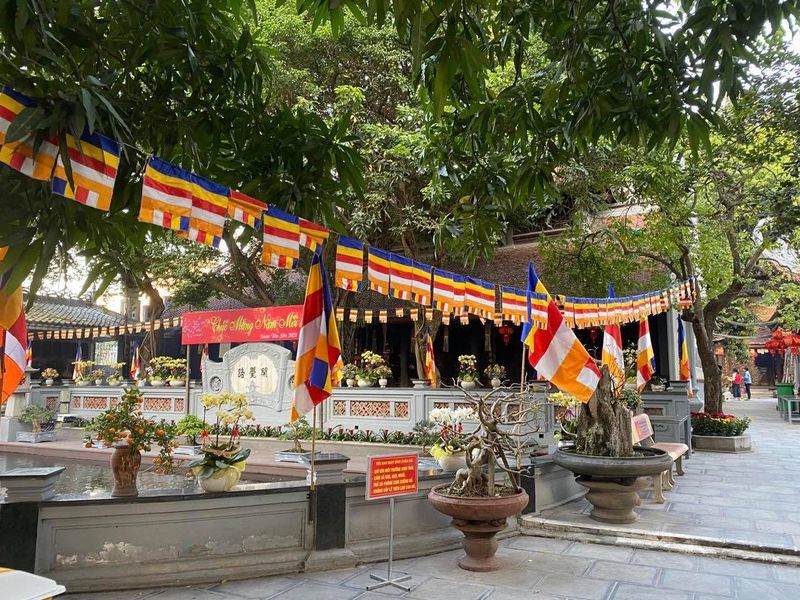
Ha Pagoda, also known by its Sino-Vietnamese name, Thanh Duc Tu, is a famous Buddhist temple in Hanoi, located on Chua Ha Street in Cau Giay District. Together with the nearby Boi Ha Communal House, the pagoda forms a spiritual and cultural space closely connected to the lives of local residents. In addition to being a place of Buddhist worship, Ha Pagoda is widely known for its tradition of praying for love, attracting many locals and visitors who come to offer incense and pray for a fulfilling relationship and a happy life.
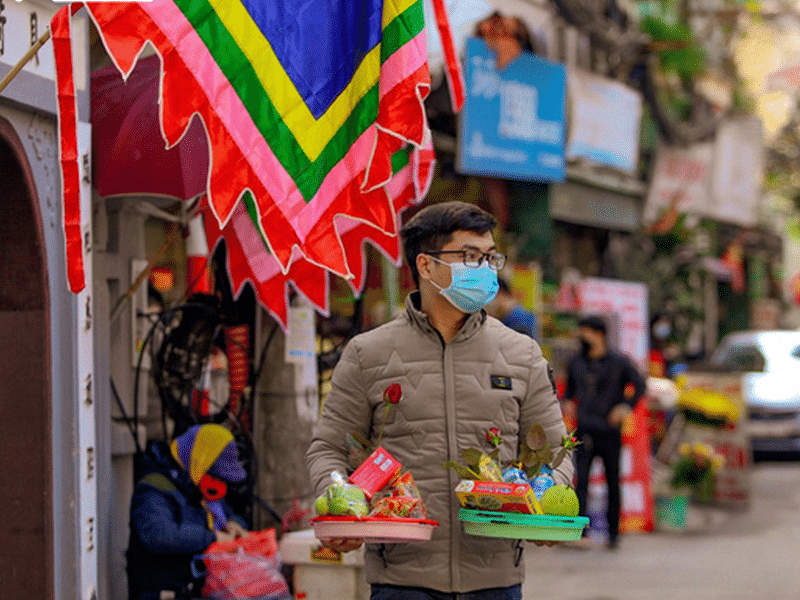
Regarding its history, the exact year when Ha Pagoda was first built has not been determined. According to some historical accounts and folk legends, the pagoda has existed for a long time. In 1680, during the reign of King Le Hy Tong, it was rebuilt on a larger scale using bricks and tiles. Over the centuries, through various restoration and renovation projects, Ha Pagoda gradually became a familiar place of worship for Hanoi residents. The pagoda not only serves the spiritual needs of the community but also helps preserve traditional Vietnamese customs and cultural values.
Architecturally, Ha Pagoda features the distinctive characteristics of traditional Buddhist temples in northern Vietnam. Its entrance gate, curved tiled roofs, worship halls, and decorative details create an ancient and solemn atmosphere. Within the grounds, the buildings are arranged harmoniously, offering a peaceful retreat amid the bustling urban surroundings. Buddhist statues, worship objects, and religious artifacts contribute to the sacred atmosphere and reflect the distinctive architectural and religious traditions of the Vietnamese people.
One of the most distinctive features of Ha Pagoda is its tradition of praying for love. Many people, especially young adults, visit the pagoda to offer incense and sincerely pray to meet a suitable partner, find genuine love, and build a happy family. In addition, visitors come to pray for peace, good health, and good fortune for themselves and their families. These practices reflect people’s hopes for love, happiness, and peace of mind.
On the first days of the lunar year, as well as on the first and fifteenth days of each lunar month, Ha Pagoda often welcomes many visitors who come to worship Buddha and offer prayers. In particular, around Valentine’s Day and on occasions considered auspicious for praying for love, the pagoda attracts large numbers of young people. Visitors are generally expected to dress appropriately, show respect, follow proper religious customs, and maintain the solemn atmosphere of the place of worship.
Beyond its spiritual significance, Ha Pagoda is also an important part of Hanoi’s contemporary cultural life. It connects traditional beliefs with modern society, allowing long-standing religious values to be preserved amid the rapid pace of urban development. For many people, visiting the pagoda is not only an opportunity to pray but also a chance to find inner peace, reflect on love, and look forward to positive things in life.
With its long history, traditional architecture, and distinctive tradition of praying for love, Ha Pagoda has become a familiar spiritual and cultural destination for Hanoi residents. It enriches the spiritual life of the community while preserving the beauty of Vietnamese religious traditions. Preserving and promoting the values of Ha Pagoda is important not only for Hanoi’s cultural heritage but also for helping future generations better understand the nation’s history, customs, and traditions.