
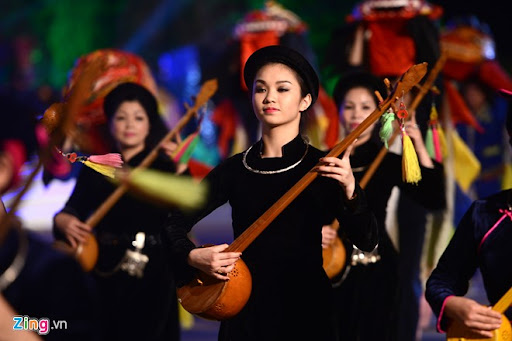
Across the green valleys, rice fields, and foothills of northern Vietnam, the Tày people have developed a rich cultural identity over generations. With a population of around 1.8 million according to the 2019 Population and Housing Census, the Tày are one of Vietnam’s largest ethnic communities.
Today, the Tày are mainly concentrated in Cao Bang, Lang Son, Bac Kan, Thai Nguyen, and Quang Ninh provinces, with smaller communities in Bac Giang and Bac Ninh. Their traditional way of life has been closely connected to wet-rice cultivation, village communities, and seasonal rituals shaped by the agricultural calendar.
Landscapes That Shaped Tày Identity
The Tày belong to the Tai-speaking cultural world and share close historical and cultural connections with the Nùng people in Vietnam and the Zhuang people in China. For centuries, these communities have interacted through migration, trade, cultural exchange, and marriage, resulting in many similarities in language and customs.
Tày communities have also lived in close contact with the Kinh people. Over time, this interaction influenced aspects of language, customs, and everyday life. While some traditional practices changed under outside influences, many distinctive elements of Tày culture have continued to be passed down through generations.
For the Tày, the village is more than simply a place to live. It is the heart of community life. Rice fields, streams, forests, and surrounding hills all play important roles in both the local economy and traditional beliefs about the natural world.
Then – Where Spiritual Beliefs Meet Art
One of the most distinctive expressions of Tày culture is Then, a traditional spiritual practice that combines religious beliefs, music, singing, and ritual.
During a Then ceremony, the practitioner acts as a link between the human world and the spiritual realm. The songs may describe journeys through the supernatural world or express wishes for health, peace, good harvests, and prosperity for families and communities.
Ancestor worship is also an important part of Tày spiritual life. An ancestral altar is usually placed in a respected position inside the home, reflecting the community’s enduring respect for previous generations.
What makes Then particularly distinctive is the way spiritual traditions are intertwined with artistic performance. The songs have been transmitted from generation to generation, while the sound of the Tính lute provides a characteristic musical accompaniment.
In 2019, Then Practices of the Tày, Nùng and Thái in Vietnam were inscribed on UNESCO’s Representative List of the Intangible Cultural Heritage of Humanity. The recognition highlights the cultural and artistic significance of Then both in Vietnam and internationally.
Lồng Tồng – A Celebration of Land and Harvest
While Then reflects the spiritual world of the Tày, Lồng Tồng brings their cultural traditions back to the rhythm of agricultural life.
The name Lồng Tồng literally means “going down to the rice fields.” The festival is generally held after the Lunar New Year and is associated with prayers for favorable weather, abundant harvests, and peace and prosperity.
The festival has a strong community character. People from surrounding villages come together to participate in traditional rituals and festive activities. Beyond its agricultural and spiritual meaning, Lồng Tồng is also an important occasion for strengthening relationships within the community.
Other traditional ceremonies are connected to different stages of the rice-growing cycle. Tăm Khảu Mảu, for example, is associated with the period when the rice is ripening, reflecting the community’s appreciation for the harvest and the fruits of agricultural labor.
Tày Cuisine and Seasonal Flavors
Traditional Tày cuisine reflects the natural environment and agricultural lifestyle of the community. Glutinous rice is a particularly important ingredient and is often combined with meat, beans, nuts, forest vegetables, and other locally available products.
One of the best-known specialties is Pẻng Rày, or ant-egg cake. Made from glutinous rice and black ant eggs, the cake is wrapped in leaves and prepared according to seasonal availability. Its distinctive ingredients give it a unique place in Tày cuisine.
During the Lồng Tồng festival, Khảu Thuy is traditionally prepared as an offering to deities and the earth. The cake requires several stages of preparation, including cooking the glutinous rice, shaping it, drying it, and frying it before serving.
The Tày culinary tradition also includes many other traditional cakes and dishes, such as Pẻng Hó, Pẻng Phạ, Pẻng Khạ, Pẻng Chì, Pẻng Khua, Coóc Mò, and Coóng Phù.
Local cuisine is also closely connected with specialties from northern Vietnam, including Trùng Khánh chestnuts and Cao Bang bitter tea, as well as various herbs and plants gathered or cultivated for everyday use.
When the Tính Lute Tells a Story