
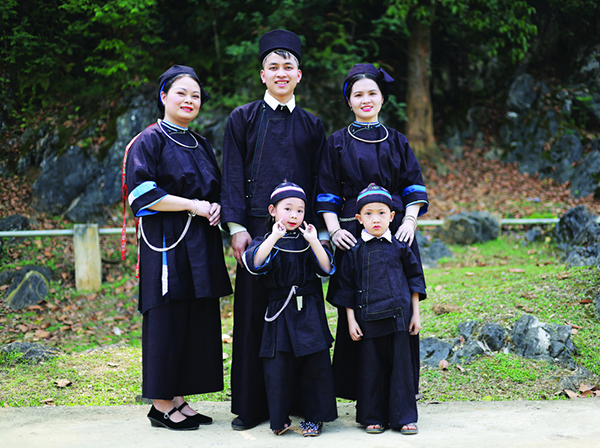
The Nùng are one of Vietnam’s major Tai-speaking ethnic groups, living mainly across the northeastern provinces and sharing close cultural ties with the Tày and Zhuang peoples. According to the 2019 census, the Nùng population reached more than 1 million, making them the third-largest Tai-speaking community in Vietnam after the Tày and Thái.
Over generations, the Nùng have developed a rich cultural identity shaped by mountain landscapes, farming traditions, handicrafts, distinctive clothing, and a spiritual world closely connected with nature.
Many Communities, One Cultural Space
The Nùng are divided into several local groups, including the Nùng Xuồng, Nùng Giang, Nùng An, Nùng Phàn Slình, Nùng Lòi, Nùng Cháo, Nùng Quý Rỉn, Nùng Dín, Nùng Inh, and Nùng Tùng Slìn. Many of these names reflect the communities’ places of origin, migration histories, or local cultural characteristics.
Despite their diversity, these groups share many common traditions. Their cultural landscape also reflects long-standing connections with neighboring Tày and Zhuang communities, particularly in areas along the northern border.
Indigo in Traditional Dress
One of the most recognizable features of Nùng culture is traditional clothing, especially the deep indigo color created from locally processed natural dye. The color is often associated with loyalty, sincerity, and a connection to traditional values.
Women’s clothing may feature carefully embroidered patterns inspired by familiar images from the natural world, including flowers, stars, and the sun. Rather than being merely decorative, these motifs preserve symbolic meanings and demonstrate the patience and skill of the people who make them.
Traditional Crafts from Local Materials
The Nùng have long made use of materials available in their surroundings. Weaving, embroidery, basketry, papermaking, and silversmithing are among the traditional crafts found in Nùng communities.
Bamboo and other forest materials are commonly turned into household objects and agricultural tools, while textile production provides both practical clothing and a way to express cultural identity. These crafts reflect a lifestyle in which daily necessities are closely connected with local resources and traditional knowledge.
From Terraced Fields to Household Gardens
Agriculture has traditionally formed the foundation of Nùng life. Depending on the local terrain, communities cultivate rice in lowland fields and terraces, while upland areas may be used for shifting cultivation. Water wheels and traditional irrigation techniques have also supported farming in mountainous environments.
Rice remains an important crop, alongside corn, peanuts, vegetables, and a variety of fruit trees. In some areas, families also grow tangerines, persimmons, star anise, and aromatic plants used in everyday cooking.
Traditional houses are often built near streams or rivers, reflecting the importance of water for farming and daily life. The surrounding landscape therefore forms an integral part of the Nùng cultural space.
The Nùng Language and the Legacy of an Old Script
The Nùng language belongs to the Tai language family and shares similarities with the languages of neighboring Tày and Zhuang communities.
The Nùng also have a written tradition associated with Sawndip, an old script developed among Tai-speaking communities and based largely on Chinese characters. Traditional ritual manuscripts may include additional pronunciation guides written in the Vietnamese alphabet, helping preserve the reading and interpretation of older texts.
These written materials are valuable not only as linguistic records but also as windows into the community’s traditional knowledge, beliefs, and rituals.
A Spiritual World Shaped by Nature
Traditional Nùng beliefs contain strong elements of animism, shamanism, and the worship of natural and ancestral spirits. The spiritual world is closely intertwined with everyday life, with people historically believing that natural surroundings could be inhabited or influenced by different spirits.
Ancestor worship remains an important part of family traditions. In some communities, village shamans play a role in ceremonies and spiritual practices, while beliefs in phi—various kinds of spirits—reflect the traditional understanding of the relationship between humans and the natural world.
Over time, elements of Buddhism and Confucianism have also influenced Nùng religious life. The worship of figures such as Quan Âm can be found alongside older indigenous beliefs, creating a distinctive blend of spiritual traditions.
A Layered Cultural Heritage in Northeastern Vietnam
Nùng culture has been shaped by many layers of history, migration, interaction, and adaptation. From the indigo garments worn on special occasions to the sounds of the Nùng language, from traditional crafts to farming practices and spiritual rituals, each element contributes to a cultural identity that remains deeply rooted in the mountains of northeastern Vietnam.
Today, preserving these traditions is not simply about maintaining old customs. It also means keeping traditional knowledge, craftsmanship, language, and community values alive for future generations while allowing Nùng culture to continue evolving within modern Vietnamese society.