
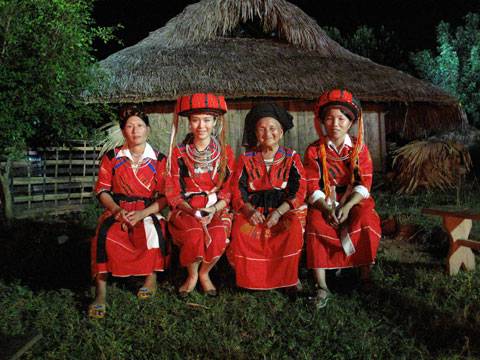
Amid the dramatic limestone mountains of northeastern Vietnam, the Gelao people are one of the country’s smaller ethnic communities, yet they possess a distinctive cultural heritage shaped by generations of tradition. In Vietnam, the Gelao are officially recognized as an ethnic group and live mainly in Ha Giang Province, particularly in the mountainous areas of Hoang Su Phi and Dong Van.
With a relatively small population, the Gelao have developed a way of life closely connected to their environment, community, and traditional customs. Despite changes brought by modern life, many aspects of their cultural identity continue to be preserved and passed down through generations.
From the Northern Mountains to Ha Giang
The Gelao are an ethnic community with a long history in areas of southern China and northern Vietnam. Different Gelao groups have traditionally lived in scattered communities, resulting in variations in language, customs, and cultural practices.
In Vietnam, Gelao communities are concentrated in the highlands of Ha Giang. Tung San Commune in Hoang Su Phi is one of the areas where a significant Gelao community lives. The region’s limestone mountains, valleys, and limited farmland have played an important role in shaping their traditional way of life.
Language as a Link to Heritage
The Gelao language belongs to the Kra–Dai language family, but today relatively few people still speak their traditional language. Because Gelao communities have long lived alongside other ethnic groups, many Gelao people also use Vietnamese or neighboring ethnic languages in everyday communication.
The decline of the traditional language highlights the importance of preserving intangible cultural heritage. Language is more than a means of communication—it also carries folk stories, songs, traditional expressions, and memories of the community’s past.
Traditional Clothing and Identity
Traditional clothing is one of the most distinctive features of Gelao culture. Gelao women traditionally wear short jackets combined with skirts made up of several sections, often featuring contrasting colors and decorative details.
Men traditionally wear side-fastened jackets with long trousers, while both men and women may wear long scarves as part of their traditional attire.
These garments are not simply practical clothing. They also reflect the community’s aesthetic traditions, craftsmanship, and sense of cultural identity.
Music, Songs, and Oral Traditions
The spiritual life of the Gelao is reflected in folk songs, poetry, and proverbs. Traditional songs often feature varying sentence lengths and have been passed down orally from one generation to the next.
Traditional music also includes the jiaohu, a two-stringed instrument with a body made from a cow horn. Its distinctive sound adds a unique character to Gelao musical traditions and community performances.
These forms of oral and musical expression are more than entertainment. They help preserve the Gelao language, traditional knowledge, life experiences, and cultural values.
Keeping a Small Community’s Heritage Alive
Today, the lives of the Gelao are changing as transportation, education, and economic opportunities expand in the northern highlands. Modern development has brought new possibilities, but it has also created challenges for preserving traditional language and customs.
Although relatively small in population, the Gelao contribute a distinctive thread to Vietnam’s rich ethnic and cultural diversity. Their traditional clothing, folk songs, ancestral memories, and close relationship with the mountainous landscape of Ha Giang all form important parts of their cultural heritage.
For travelers exploring Ha Giang, learning about the Gelao offers an opportunity to look beyond the region’s spectacular landscapes and discover the communities that have called these mountains home for generations. Among the limestone peaks and valleys, their traditions remain an important part of the living cultural heritage of northeastern Vietnam.