
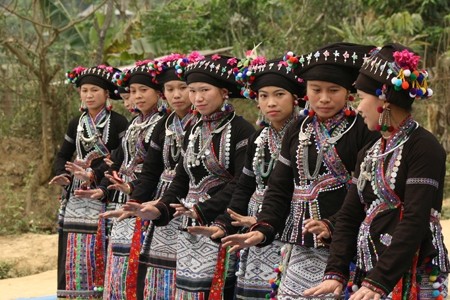
The Lao are one of the prominent Tai peoples of Southeast Asia, with the largest population living in Laos and communities also found in northeastern Thailand, Cambodia, Myanmar, and Vietnam. Over generations, they have developed a rich cultural identity expressed through language, cuisine, spiritual traditions, and community life. The Mekong River holds a special place in this cultural landscape, serving not only as a natural route of movement and trade but also as a source of livelihood and a lasting part of collective memory.
A Community Shaped Along the Mekong
The Lao live across a broad area of mainland Southeast Asia. In addition to the large Lao population in Laos, Lao communities can be found throughout Thailand’s Isan region as well as in parts of Cambodia, Myanmar, and Vietnam.
This wide distribution has created local variations in customs and everyday life, yet many communities continue to share common linguistic and cultural traditions. The Lao also have close historical and linguistic ties with the Thai and other Tai-speaking peoples of the region.
A History Shaped by Migration and Change
The history of the Lao people is closely connected with the movements and settlement of Tai-speaking communities across mainland Southeast Asia. Over centuries, different groups migrated, interacted, and established settlements along major river systems, with the Mekong becoming one of the region’s most important cultural spaces.
Political and social changes during the modern period, particularly colonial rule and conflicts across Indochina, further influenced the distribution of Lao communities. Despite these changes, traditional values have remained an important foundation of Lao cultural identity.
The Lao Language – A Link Between Communities
Lao belongs to the Tai-Kadai language family and is closely related to Thai. It is a tonal language whose vocabulary has developed through centuries of cultural contact, including influences from Pali, Sanskrit, and other languages of mainland Southeast Asia.
The Lao writing system has roots in Indic scripts and plays an important role in education, literature, religious practice, and everyday communication. Although regional varieties of Lao differ in pronunciation and vocabulary, they remain broadly connected, helping maintain communication and cultural ties among Lao communities.
Sticky Rice and the Flavors of Lao Cuisine
Food is an essential part of Lao cultural life. Sticky rice, or khao niao, is a staple and is commonly eaten with savory dishes, fresh vegetables, dipping sauces, and aromatic herbs.
Well-known dishes such as larb, a seasoned meat or fish salad, and tam mak hoong, a spicy green papaya salad, reflect the Lao preference for combining spicy, sour, salty, and herbal flavors. Fermented sauces and local seasonings are also widely used, giving Lao cuisine its distinctive depth and character.
Traditional meals are often shared, with several dishes placed together for everyone to enjoy. More than a way of eating, this communal style reflects the importance of family relationships, hospitality, and community bonds.
Buddhism and Traditional Spiritual Beliefs
Theravada Buddhism has a profound influence on Lao spiritual and cultural life. Temples are not only places of worship but also important community spaces where religious ceremonies, cultural activities, and education take place.
At the same time, traditional beliefs continue to exist alongside Buddhism. Ideas about spirits, supernatural beings, and forces associated with nature remain part of the spiritual world of many Lao communities. The coexistence of Buddhism and indigenous beliefs has created a layered religious tradition that remains an important feature of Lao culture.
A Cultural Identity Connected to the River
From language and cuisine to religious traditions and community life, Lao culture has developed through centuries of interaction, migration, and adaptation. Within this cultural landscape, the Mekong is more than a river. It is a defining part of the region’s cultural geography, connecting communities and shaping the rhythm of life along its banks.
Today, despite rapid social change, the Lao continue to preserve many traditional values through their language, food, spiritual practices, and communal customs. Together, these elements form a distinctive cultural identity—closely connected to other Tai-speaking communities while retaining the unique character of Lao heritage.